Sheet metal design rules that keep fabricated parts manufacturable
Bend radii, hole placement, reliefs and tolerances: the details that decide whether a sheet metal part forms cleanly the first time.
- Design
- Sheet metal
- Fabrication
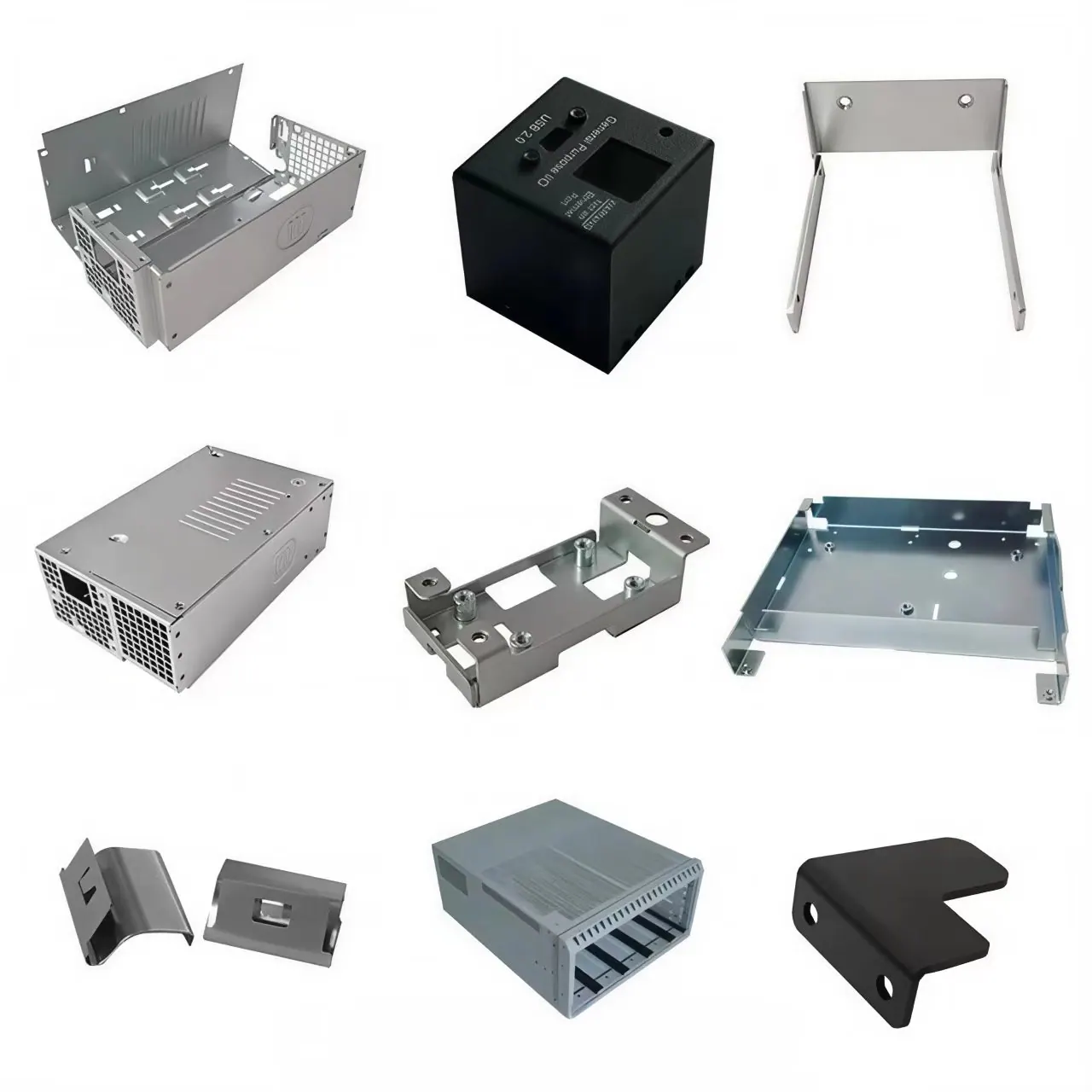
Sheet metal parts are cheap to make and easy to get wrong. Almost every problem we see on a fabricated part traces back to one of five design details.
1. Bend radius
Default to an inside radius equal to the material thickness. Tighter radii risk cracking, especially on aluminium and high-strength steels, and they may need special tooling. A radius that matches standard tooling costs nothing extra.
2. Holes near bends
Keep holes at least 1.5× the material thickness plus the bend radius away from a bend line. Closer than that, the hole distorts as the material stretches, and a fastener that should sit flush no longer does.
3. Bend reliefs
Where two bends meet, add a relief notch. Without one, the corner tears or stretches, and the part either needs rework or scrap. The relief is a two-minute change on the drawing and a permanent fix in production.
4. Hardware and threads
Decide the sequence before the design is frozen. If a threaded insert is fitted before coating, the coating will change the thread fit; if it is fitted after, the coating must be masked. Pressed-in nuts and standoffs also need clearance on the back face and enough flat area around them.
5. Tolerances that match the process
Laser cutting holds ±0.1 mm on profiles, press brake forming holds roughly ±0.1 mm on formed features and around ±0.5° on angles. Stacking several bends multiplies that variation, so a part with five bends cannot realistically hold ±0.1 mm on the final dimension. Put the general tolerance on the drawing and keep the tight tolerances for the features that mate.
Send the flat pattern if you have it
If your CAD system can export a flat pattern DXF, send it along with the model. We will verify the bend allowance against the finished dimensions rather than assuming a value — and if there is a discrepancy, we would rather find it before cutting metal than after.
Questions about this topic? Our engineers answer RFQs directly.
Get a Quote