Skip to content
Laser Cutting

Laser Cutting

Fibre laser cutting for steel, stainless steel and aluminium sheet — clean edges, tight nesting and fast turnaround for prototypes and batch parts.

Thickness
0.5 – 6 mm typical (material dependent)
Tolerance
±0.1 mm typical on cut profiles
Cut edge
Clean, near-vertical cut with minimal dross
Lead time
From 3 working days for cut parts

How we hold this quality

Prototype speed

Cutting directly from a DXF means design changes can be in the next batch of parts the same week, without waiting for hard tooling.

Efficient nesting

Parts are nested on the sheet to reduce waste, which matters when the material is stainless steel or a specialist alloy.

Edge quality

Cut parameters are matched to the material and thickness so edges are clean and ready for forming or welding.

Marking and numbering

Parts can be laser marked with part numbers or assembly references so kits stay identifiable through finishing and assembly.

Laser cutting is almost always the first operation for a sheet metal part, and it sets the accuracy of everything that follows. A cut profile that is clean and true makes bending predictable and welding easier.

Design rules that keep parts manufacturable

  • Keep hole diameters at least the sheet thickness, and avoid holes much smaller than 1 mm.
  • Leave at least one material thickness between a hole and an edge.
  • Keep features at least 1.5× thickness plus bend radius away from a bend line.
  • Add a relief notch where two bends meet, so the corner does not tear.
  • Mark the material and thickness on the drawing — it changes the cut parameters and the price.

From cut blank to finished part

Cut parts move straight into bending, welding and assembly, or into finishing after deburring. Keeping the sequence in one workshop means the flat pattern, the bend allowance and the fixture are all agreed once.

Process & part gallery

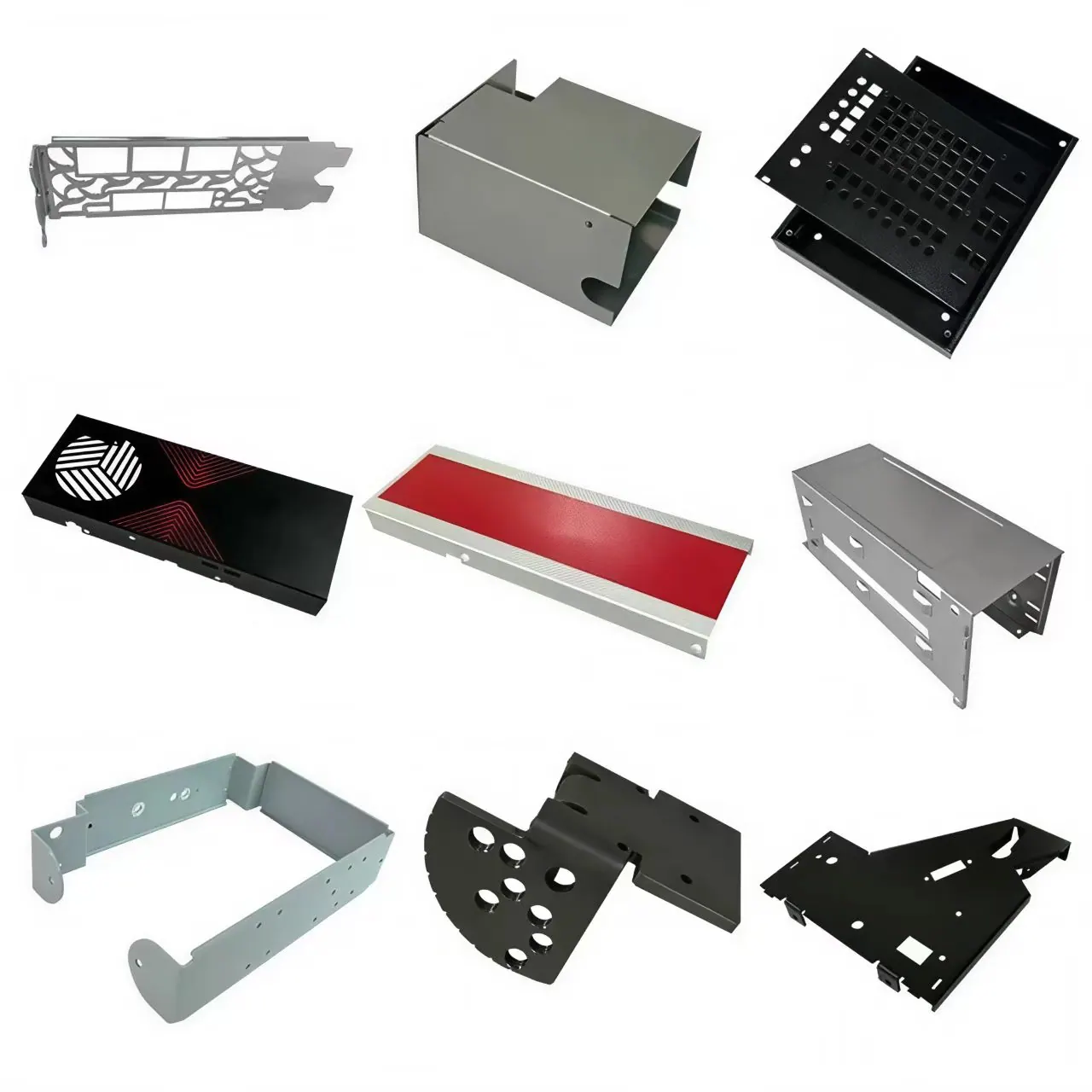
Laser cut sheet metal parts ready for forming
Cut and formed brackets

How it works

From drawing to delivered part

  1. 1

    Send drawings

    Upload STEP, IGES, DXF or PDF files with material, quantity and finish.

  2. 2

    Engineering review

    We check manufacturability, tolerances and finish for this process.

  3. 3

    Quote and approve

    You receive unit price, lead time and any design questions in writing.

  4. 4

    Produce & inspect

    Manufacturing runs against an agreed inspection plan.

  5. 5

    Ship and support

    Parts are packed, documented and shipped, with support for revisions.

FAQ

Laser Cutting — frequently asked questions

What file format do you need for laser cutting?

A DXF of the flat pattern is ideal, exported 1:1 with the cut profiles on a single layer. STEP models are also fine — we will flatten them and confirm the bend allowance with you before cutting.

How close to the edge can I place a hole?

Keep holes at least one material thickness from any edge, and further from a bend line — roughly 1.5× thickness plus the bend radius is a good working rule.

Can you cut small production batches?

Yes. Laser cutting has no tooling cost, so it is economical from one piece upward and stays competitive well into production volumes.

Start a project

Request a laser cutting quotation

Upload your CAD files with the material, quantity and finish. Our engineers will review the drawing and reply with pricing and lead time.