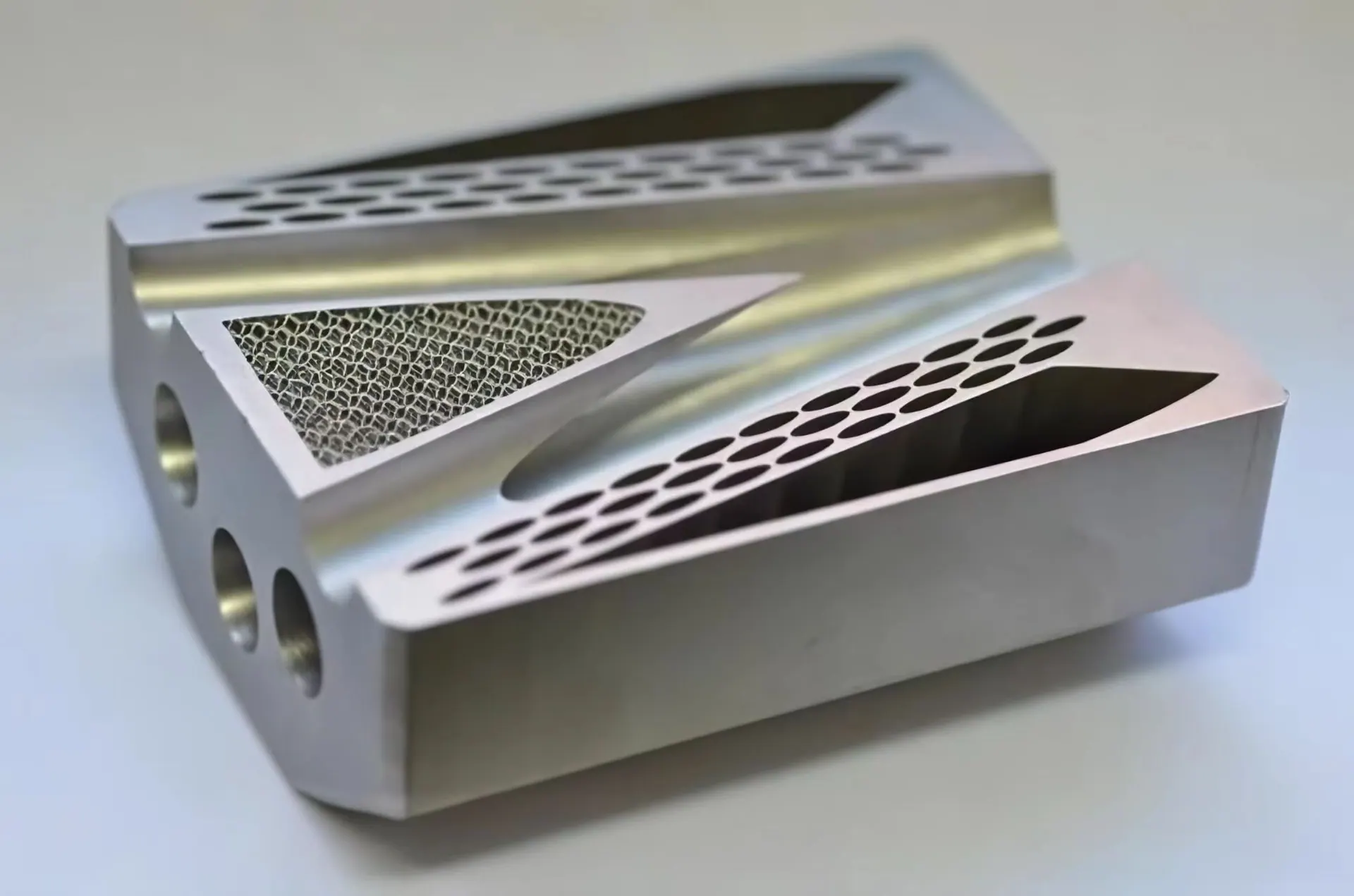
6061-T6, 6082-T6, 7075-T6, 5083, 2024
Aluminium
The default choice for machined parts: fast to cut, strong for its weight and the best substrate for anodizing.
Materials
Grade selection decides strength, weight, corrosion behaviour and how a finish will look. Here is how we choose, and what each material is good at.
6061-T6, 6082-T6, 7075-T6, 5083, 2024
The default choice for machined parts: fast to cut, strong for its weight and the best substrate for anodizing.
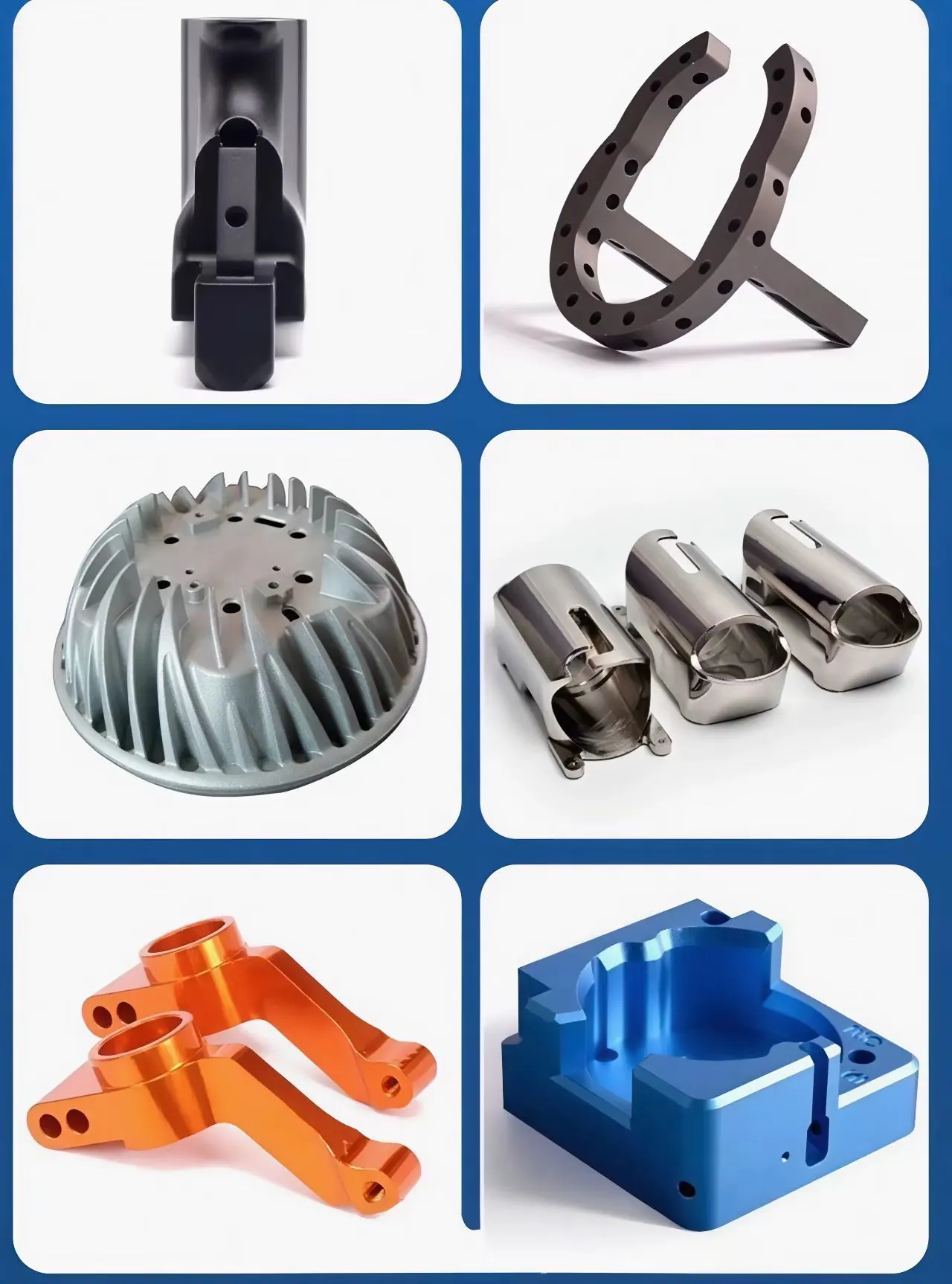
303, 304, 316 / 316L, 17-4PH, 2205 duplex
Corrosion-resistant, hygienic and strong — the material of choice for medical, food, marine and chemical applications.
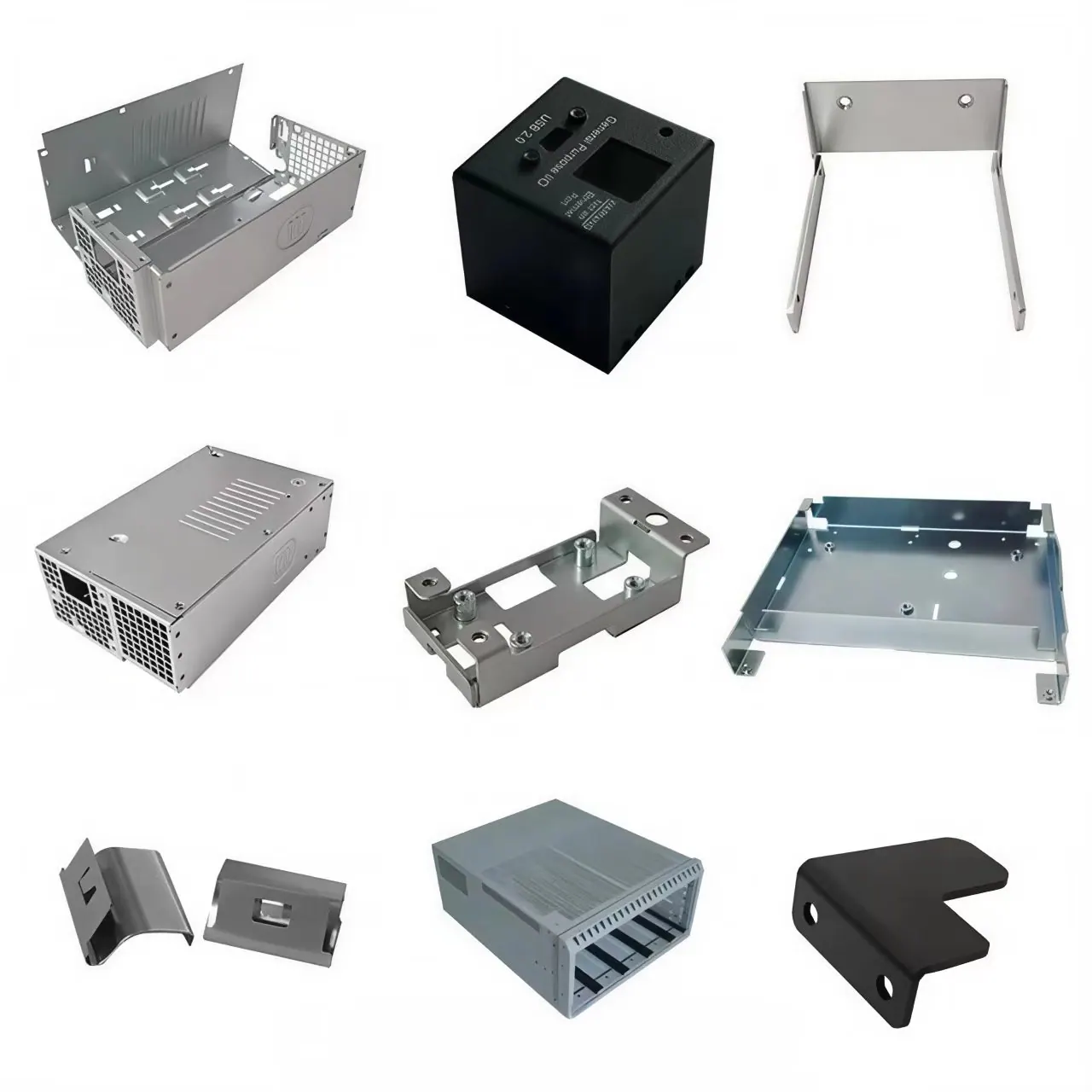
1018, 1045, 4140, 4340, S355, CRS and HRS sheet
Cost-effective, strong and easy to weld — the workhorse material for frames, brackets, shafts and weldments.
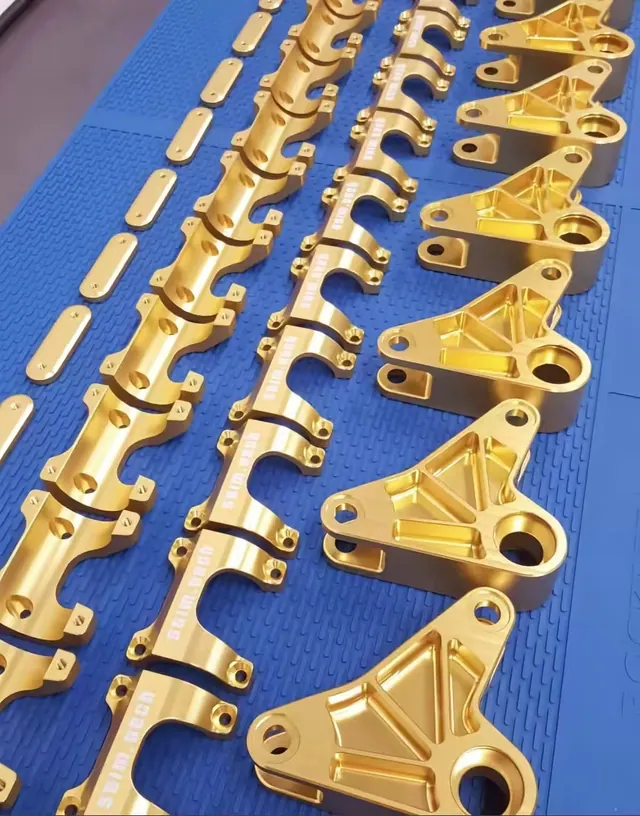
C36000 free-cutting brass, C26000 cartridge brass, C11000 copper, beryllium copper
Excellent machinability, natural conductivity and a distinctive appearance for fittings, contacts and precision components.
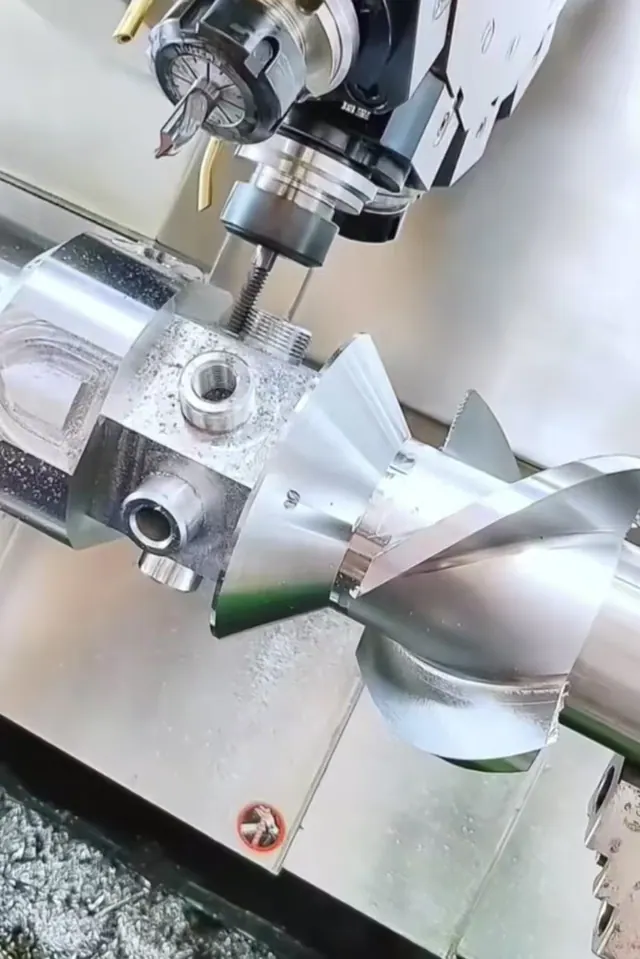
Grade 2 (commercially pure), Grade 5 (Ti-6Al-4V), Grade 9 (Ti-3Al-2.5V)
High strength-to-weight ratio and outstanding corrosion resistance for aerospace, medical and demanding industrial parts.
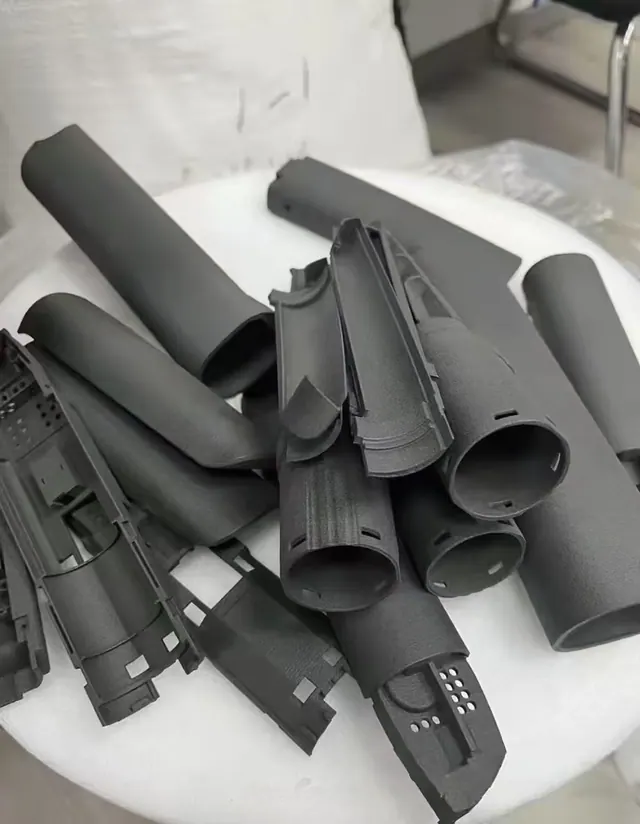
POM, PEEK, PTFE, nylon, acrylic and polycarbonate for insulating, low-friction, lightweight and RF-transparent parts.
Send the drawing and tell us what the part has to do — load, temperature, environment, weight limit and appearance. We will suggest a material and finish rather than quoting the most expensive option that happens to work.
Material certificates and mill certificates are available with any shipment when requested at the quotation stage.
Send a drawing
Upload your CAD files with the operating conditions and we will come back with the material, finish and process recommendation.