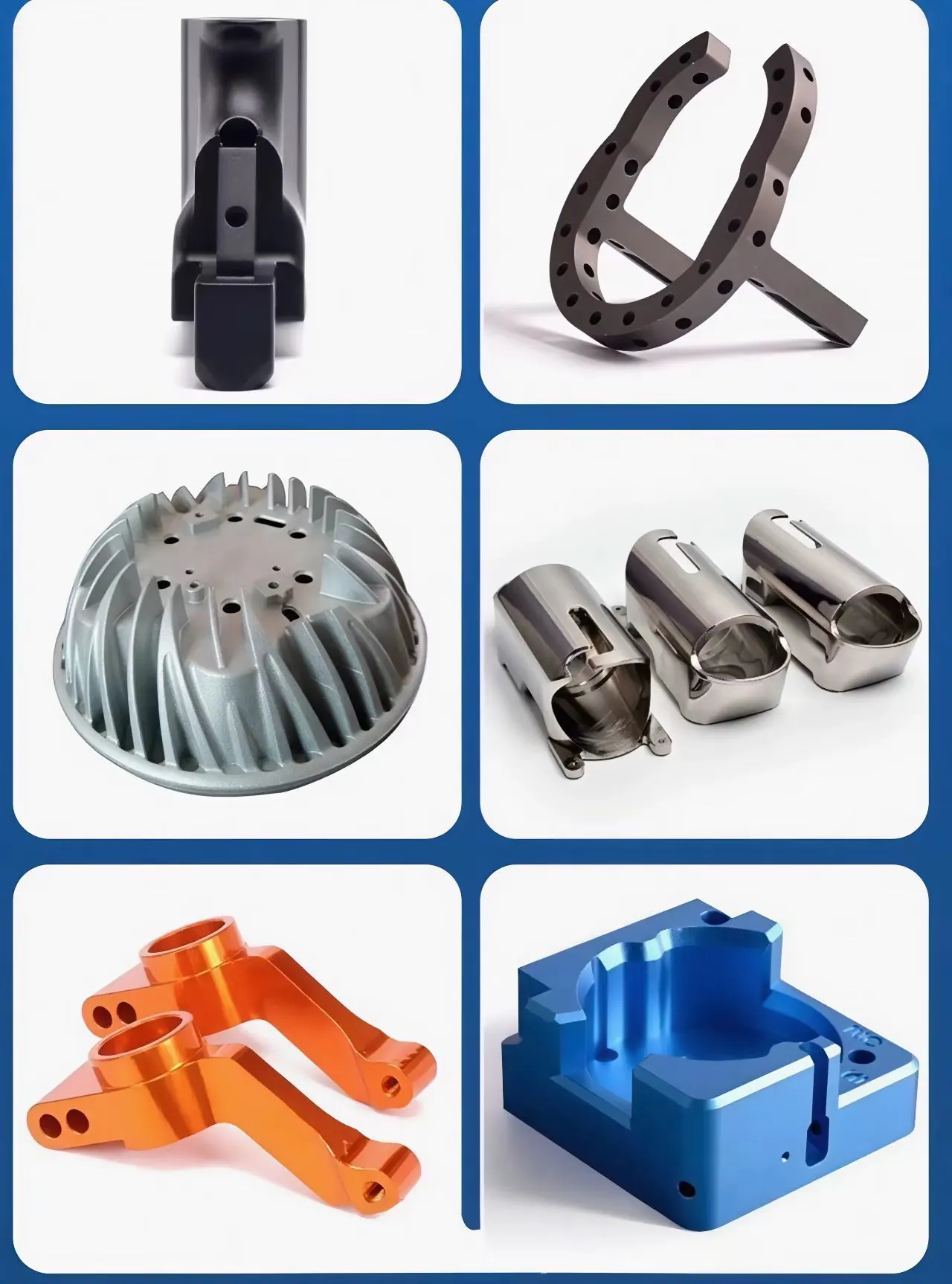
Stainless steel is chosen for the environment the part will live in: wash-down areas, salt air, chemical exposure, or anywhere a hygienic surface has to survive repeated cleaning.
Grade selection in practice
- 303 — the free-cutting grade. Fastest to machine, ideal for turned parts and fittings where corrosion demand is moderate.
- 304 / 304L — the general-purpose grade. Good corrosion resistance and excellent weldability.
- 316 / 316L — molybdenum-bearing; the default for chloride, marine and pharmaceutical service.
- 17-4PH — precipitation-hardening stainless with high strength; used for shafts, valves and aerospace components.
- 2205 duplex — high strength plus excellent chloride resistance for aggressive service.
Machining notes
Stainless steel work-hardens if the tool rubbing outweighs the cutting, so the process is planned to stay in the cut: positive rake tooling, generous feed, sharp edges and coolant delivered to the tip. Thin-walled parts are supported during machining and measured after cooling.
Passivation follows machining where corrosion resistance or hygiene matters, and electropolishing is available where a smoother, more inert surface is required.