Energy & Power manufacturing
Components for power generation, energy storage and distribution equipment that must hold up in heat, pressure and weather.
Energy hardware is judged over years, not weeks. Parts that corrode, loosen or lose contact resistance in the field become warranty claims, so the material and finish specification matters as much as the machining.
Typical work
Busbars and connections, cold plates and heat sinks, battery module hardware, inverter and converter housings, mounting frames, and outdoor enclosure components.
Specifying for the environment
Tell us whether the installation is inland, coastal, industrial or indoor, and whether the part sees high temperature or thermal cycling. That single sentence usually determines the material grade and the finish, and it prevents a part being specified for the wrong life.
What this industry asks of a supplier
Thermal capability
Busbars, cold plates and heat sinks are machined for flatness and contact area, which is what the thermal path depends on.
Corrosion protection
Outdoor and coastal installations use stainless steel or coated steel specified for the environment rather than the default.
Electrical performance
Contact surfaces stay conductive and burr-free, and plating is specified where contact resistance has to remain stable.
Pressure and sealing
Sealing faces, grooves and threaded connections are machined to the tolerance the joint needs to seal.
Processes we use for energy & power
CNC Milling
Precision CNC milling for housings, plates, brackets and complex profiles in metal and plastic, from a single prototype to repeat production batches.
View processCNC Turning
CNC turning for shafts, bushings, fittings, spacers and turned-to-milled parts with concentric tolerances held in a single setup.
View processSheet Metal Welding
MIG and TIG welding for frames, brackets and enclosures, with weld dressing and distortion control on visible and load-bearing joints.
View processPlating
Zinc, nickel, chrome and electroless nickel plating for corrosion protection, wear resistance, conductivity and appearance.
View process5-Axis CNC Machining
Simultaneous five-axis machining for impellers, blades, sculpted surfaces and complex parts that cannot be reached or finished accurately in three axes.
View processMaterials typically used
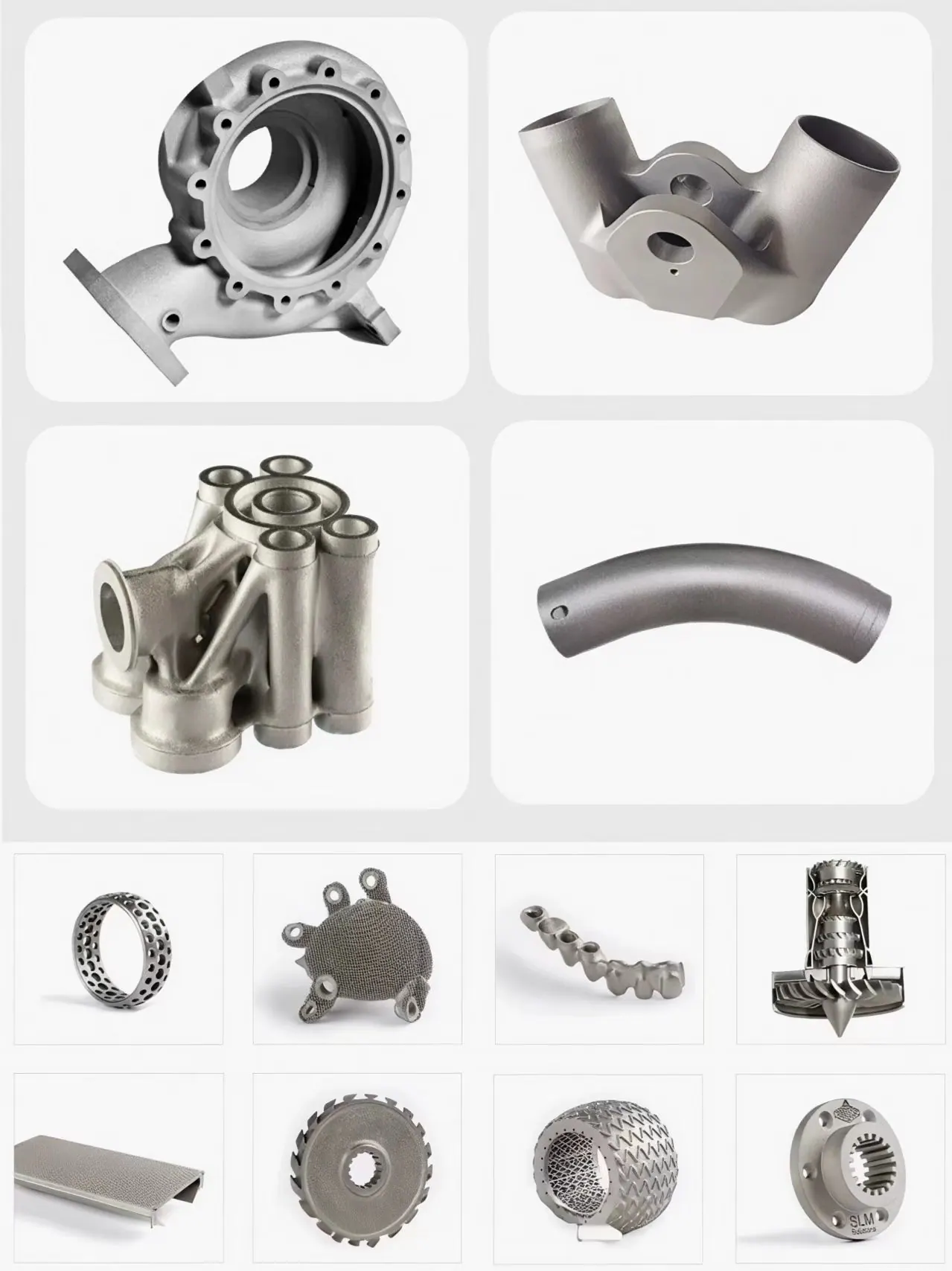
Parts for this industry
FAQ
Energy & Power — frequently asked questions
Can you machine copper busbars?
Yes, including flatness control on contact faces and deburred edges for insulated assemblies. Tin or nickel plating is available where the contact resistance must stay stable.
Do you produce parts for outdoor installations?
Yes. Tell us the environment — coastal, industrial or inland — and the material and finish will be specified for it rather than relying on a standard coating.
Start a project
Get a quotation for your energy & power parts
Send drawings with material, finish and documentation requirements. Our engineers will confirm process, lead time and price in writing.