Medical Devices manufacturing
Precision components and instrument parts in stainless steel, titanium and medical polymers, with the documentation and surface quality that regulated products require.
Medical work puts more weight on documentation and surface quality than on cycle time. A perfect dimension that arrives without the material certificate is not a usable part.
What we produce
Instrument bodies and handles, device housings, surgical tool components, laboratory equipment parts, fixtures and tooling for production lines, and prototypes for design verification.
What to include in an RFQ
The drawing, the material specification as written in your technical file, the required surface finish, the critical dimensions for inspection, and the documentation set you need. With those five items the quotation and the quality plan can be produced together.
We will confirm in writing what documentation we can provide for your project before an order is accepted.
What this industry asks of a supplier
Traceable materials
Material certificates follow the part through the order, so the batch in your records matches the batch in the machine.
Surface quality
Deburring, polishing and passivation are controlled operations, not optional extras — burrs and surface defects are a functional problem on instrument parts.
Documented inspection
Dimensional reports and certificates of conformity are produced for the features you identify as critical.
Clean handling
Parts are handled and packed to protect surfaces and prevent contamination between machining and shipment.
Processes we use for medical devices
CNC Milling
Precision CNC milling for housings, plates, brackets and complex profiles in metal and plastic, from a single prototype to repeat production batches.
View processCNC Turning
CNC turning for shafts, bushings, fittings, spacers and turned-to-milled parts with concentric tolerances held in a single setup.
View processInspection
Dimensional inspection by CMM, optical measurement and calibrated instruments, reported against your drawing so the numbers are verifiable.
View processPolishing & Deburring
Deburring, bead blasting, brushing and mirror polishing to set the final surface appearance of machined and fabricated parts.
View process5-Axis CNC Machining
Simultaneous five-axis machining for impellers, blades, sculpted surfaces and complex parts that cannot be reached or finished accurately in three axes.
View processMaterials typically used
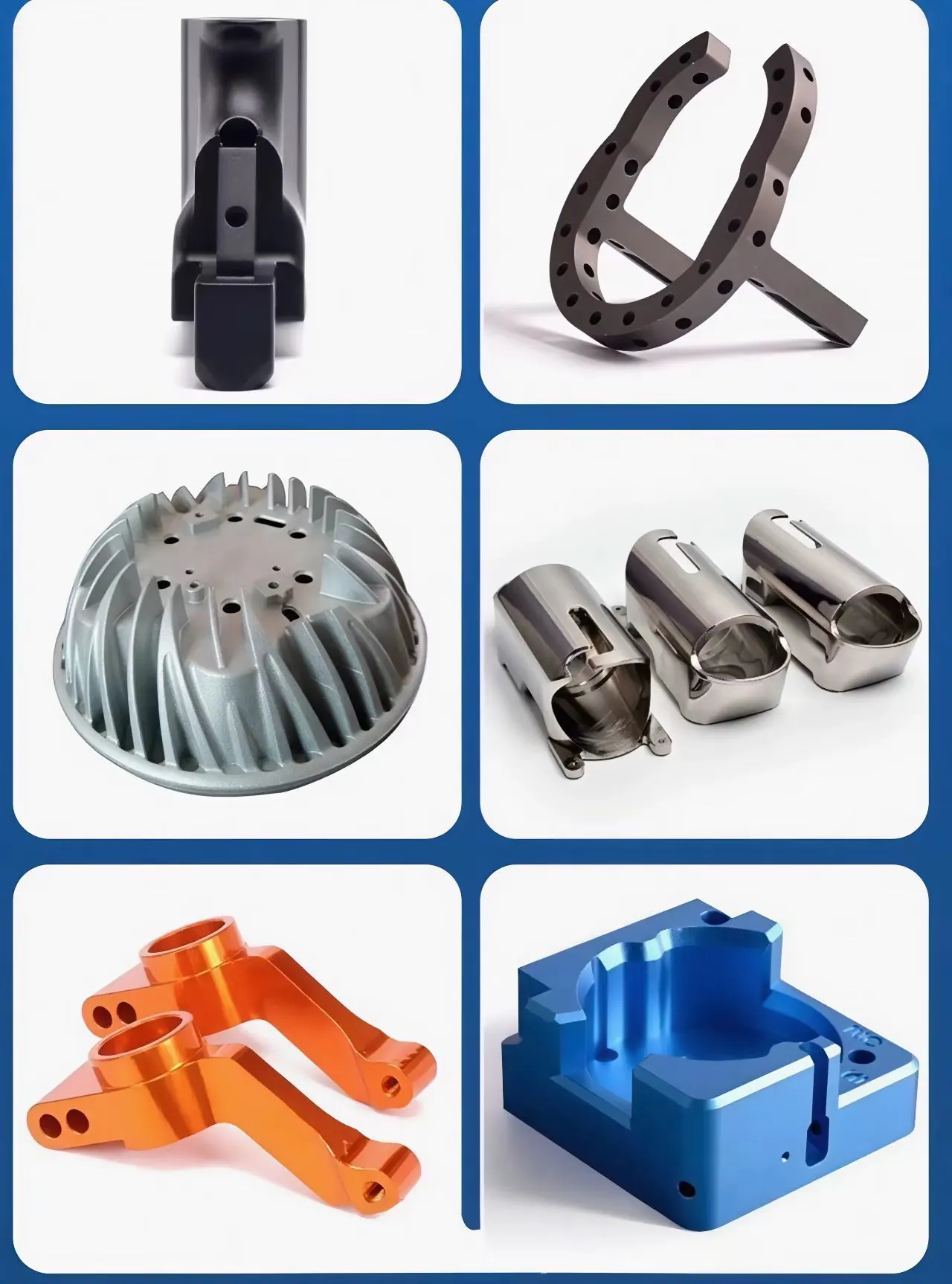
Parts for this industry
FAQ
Medical Devices — frequently asked questions
Can you work to medical documentation requirements?
We supply material certificates, dimensional inspection reports and certificates of conformity. Send your documentation requirements with the RFQ and we will confirm exactly what will be provided before the order starts.
Do you machine implant-grade titanium and stainless steel?
Yes — Grade 2 and Grade 5 titanium and 316L stainless steel are standard. Provide the material specification as written in your technical file so the correct grade is ordered.
How do you control burrs on instrument parts?
Deburring is a defined operation with an agreed acceptance standard, followed by inspection of the edges that the drawing identifies as functional or handled.
Start a project
Get a quotation for your medical devices parts
Send drawings with material, finish and documentation requirements. Our engineers will confirm process, lead time and price in writing.